Buy bezgrawitacji.eu ?
We are moving the project
bezgrawitacji.eu .
Are you interested in purchasing the domain
bezgrawitacji.eu ?
domain@kv-gmbh.de · 0541-91531010
Buy bezgrawitacji.eu ?
Why is there proton transfer?
Proton transfer occurs because protons are the smallest and lightest positively charged particles, making them highly mobile and reactive. In chemical reactions, proton transfer can occur to stabilize charged species, balance charges, or facilitate the formation of new chemical bonds. Proton transfer is also essential in biological processes such as enzyme catalysis and cellular respiration. Overall, proton transfer plays a crucial role in maintaining the balance of charges and facilitating various chemical and biological processes. **
What is a proton transfer reaction?
A proton transfer reaction is a chemical reaction in which a proton (H+) is transferred from one molecule to another. This transfer of a proton can result in the formation of new chemical species with different properties. Proton transfer reactions are common in various biological and chemical processes, such as acid-base reactions and enzyme-catalyzed reactions. The transfer of protons plays a crucial role in maintaining the pH balance in biological systems and is essential for many biochemical reactions to occur. **

Similar search terms for Proton Transfer
Top-Angebote
Products related to Proton Transfer:
-
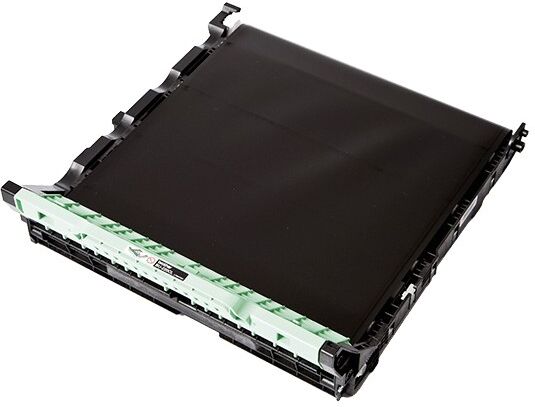
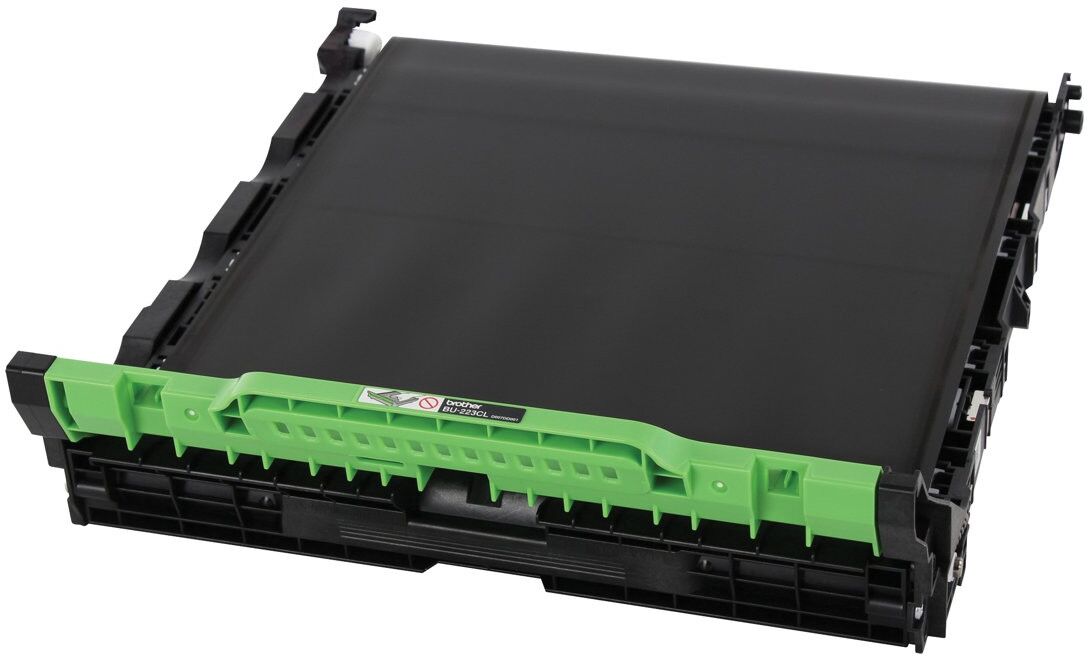
Brother BU-220CL Transfer Belt UnitThis genuine Brother BU-220CL Transfer Belt Unit is compatible with a range of our laser printers. Designed to ensure that your professional documents are reproduced quickly, efficiently and accurately, the BU-220CL helps to make maintaining your printer problem-free.108,99 £*Shipping: 0,00 £Secure redirect to the provider
-
Brother BU-320CL Transfer Belt UnitThis genuine Brother BU-320CL Transfer Belt Unit is compatible with a range of our laser printers. Designed to ensure that your professional documents are reproduced quickly, efficiently and accurately, the BU-320CL helps to make maintaining your printer problem-free.119,49 £*Shipping: 0,00 £Secure redirect to the provider


-
How is the proton transfer characterized in a chemical reaction?
Proton transfer in a chemical reaction is characterized by the transfer of a hydrogen ion (H+) from one reactant to another. This transfer can occur between two molecules or within a single molecule. Proton transfer is often associated with the formation or breaking of chemical bonds, and it can significantly impact the reactivity and stability of the molecules involved in the reaction. The transfer of a proton can lead to the formation of new chemical species and the generation of acidic or basic conditions in the reaction environment. **
-
Which two corresponding acid-base pairs are involved in a proton transfer?
The two corresponding acid-base pairs involved in a proton transfer are the donor acid and the acceptor base. The donor acid donates a proton, while the acceptor base receives the proton. This transfer of a proton from the donor acid to the acceptor base results in the formation of the conjugate base of the donor acid and the conjugate acid of the acceptor base. This process is fundamental in acid-base reactions and plays a crucial role in various chemical and biological processes. **
-
What is proton donation and proton acceptance in chemistry?
Proton donation and proton acceptance are key concepts in acid-base chemistry. Proton donation refers to the transfer of a hydrogen ion (proton) from one substance to another. This typically occurs when an acid donates a proton to a base. Proton acceptance, on the other hand, involves the acceptance of a proton by a substance, often a base, leading to the formation of a new chemical species. These processes are fundamental to understanding the behavior of acids and bases in chemical reactions. **
-
What determines a proton donor and a proton acceptor?
A proton donor is a substance that can release a proton (H+) in a chemical reaction, while a proton acceptor is a substance that can accept a proton. This ability is determined by the presence of a hydrogen atom with a positive charge (H+) in the molecule. In general, substances with a lone pair of electrons, such as a hydroxide ion (OH-) or an amine group (NH2), can act as proton acceptors, while substances with a hydrogen atom bonded to an electronegative atom, such as a hydrochloric acid (HCl) or acetic acid (CH3COOH), can act as proton donors. **

What is meant by proton donors and proton acceptors?
Proton donors are substances that can donate a proton (H+) to another substance. This typically involves the release of a hydrogen ion. Proton acceptors, on the other hand, are substances that can accept a proton from another substance. This typically involves the uptake of a hydrogen ion. In the context of acid-base reactions, proton donors are acids, while proton acceptors are bases. **
Why are carboxylic acids proton donors and amines proton acceptors?
Carboxylic acids are proton donors because they contain a highly electronegative oxygen atom that can stabilize the resulting carboxylate anion by delocalizing the negative charge. Amines, on the other hand, are proton acceptors because they contain a lone pair of electrons on the nitrogen atom that can readily accept a proton to form a positively charged ammonium ion. This ability to donate or accept protons is due to the presence of functional groups in these molecules that can easily gain or lose a hydrogen ion in solution. **
Top-Angebote
Products related to Proton Transfer:
-
Gaslow White Refill Transfer KitThe Gaslow Transfer Kit enables you to transfer your Gaslow Refillable System to your new vehicle whilst leaving the original fill point in place. The kit comprises of all the components of the filler kit, except for the filler hose. It also contains a blanking cap for the back of the fill connection on your old vehicle to prevent the new owner from trying to fill without a cylinder installed.42,30 £*Shipping: 5,00 £Secure redirect to the provider
-
Brother BU-220CL Transfer Belt UnitThis genuine Brother BU-220CL Transfer Belt Unit is compatible with a range of our laser printers. Designed to ensure that your professional documents are reproduced quickly, efficiently and accurately, the BU-220CL helps to make maintaining your printer problem-free.108,99 £*Shipping: 0,00 £Secure redirect to the provider
-
Brother BU-320CL Transfer Belt UnitThis genuine Brother BU-320CL Transfer Belt Unit is compatible with a range of our laser printers. Designed to ensure that your professional documents are reproduced quickly, efficiently and accurately, the BU-320CL helps to make maintaining your printer problem-free.119,49 £*Shipping: 0,00 £Secure redirect to the provider
-
Why is there proton transfer?
Proton transfer occurs because protons are the smallest and lightest positively charged particles, making them highly mobile and reactive. In chemical reactions, proton transfer can occur to stabilize charged species, balance charges, or facilitate the formation of new chemical bonds. Proton transfer is also essential in biological processes such as enzyme catalysis and cellular respiration. Overall, proton transfer plays a crucial role in maintaining the balance of charges and facilitating various chemical and biological processes. **
-
What is a proton transfer reaction?
A proton transfer reaction is a chemical reaction in which a proton (H+) is transferred from one molecule to another. This transfer of a proton can result in the formation of new chemical species with different properties. Proton transfer reactions are common in various biological and chemical processes, such as acid-base reactions and enzyme-catalyzed reactions. The transfer of protons plays a crucial role in maintaining the pH balance in biological systems and is essential for many biochemical reactions to occur. **
-
How is the proton transfer characterized in a chemical reaction?
Proton transfer in a chemical reaction is characterized by the transfer of a hydrogen ion (H+) from one reactant to another. This transfer can occur between two molecules or within a single molecule. Proton transfer is often associated with the formation or breaking of chemical bonds, and it can significantly impact the reactivity and stability of the molecules involved in the reaction. The transfer of a proton can lead to the formation of new chemical species and the generation of acidic or basic conditions in the reaction environment. **
-
Which two corresponding acid-base pairs are involved in a proton transfer?
The two corresponding acid-base pairs involved in a proton transfer are the donor acid and the acceptor base. The donor acid donates a proton, while the acceptor base receives the proton. This transfer of a proton from the donor acid to the acceptor base results in the formation of the conjugate base of the donor acid and the conjugate acid of the acceptor base. This process is fundamental in acid-base reactions and plays a crucial role in various chemical and biological processes. **
Similar search terms for Proton Transfer
-
HP Intermediate Transfer Belt (ITB) Kit with Transfer Roller for Colour LaserJet Enterprise M651 (CC493-67909 / CE249A)HP intermediate transfer belt (ITB) kit including the belt and transfer roller, equivalent to CE249A, for HP Colour LaserJet Enterprise M651 series printers; rated for approximately 150,000 pages.304,99 £*Shipping: 0,00 £Secure redirect to the provider
-
What is proton donation and proton acceptance in chemistry?
Proton donation and proton acceptance are key concepts in acid-base chemistry. Proton donation refers to the transfer of a hydrogen ion (proton) from one substance to another. This typically occurs when an acid donates a proton to a base. Proton acceptance, on the other hand, involves the acceptance of a proton by a substance, often a base, leading to the formation of a new chemical species. These processes are fundamental to understanding the behavior of acids and bases in chemical reactions. **
-
What determines a proton donor and a proton acceptor?
A proton donor is a substance that can release a proton (H+) in a chemical reaction, while a proton acceptor is a substance that can accept a proton. This ability is determined by the presence of a hydrogen atom with a positive charge (H+) in the molecule. In general, substances with a lone pair of electrons, such as a hydroxide ion (OH-) or an amine group (NH2), can act as proton acceptors, while substances with a hydrogen atom bonded to an electronegative atom, such as a hydrochloric acid (HCl) or acetic acid (CH3COOH), can act as proton donors. **
-
What is meant by proton donors and proton acceptors?
Proton donors are substances that can donate a proton (H+) to another substance. This typically involves the release of a hydrogen ion. Proton acceptors, on the other hand, are substances that can accept a proton from another substance. This typically involves the uptake of a hydrogen ion. In the context of acid-base reactions, proton donors are acids, while proton acceptors are bases. **
-
Why are carboxylic acids proton donors and amines proton acceptors?
Carboxylic acids are proton donors because they contain a highly electronegative oxygen atom that can stabilize the resulting carboxylate anion by delocalizing the negative charge. Amines, on the other hand, are proton acceptors because they contain a lone pair of electrons on the nitrogen atom that can readily accept a proton to form a positively charged ammonium ion. This ability to donate or accept protons is due to the presence of functional groups in these molecules that can easily gain or lose a hydrogen ion in solution. **
* All prices are inclusive of VAT and, if applicable, plus shipping costs. The offer information is based on the details provided by the respective shop and is updated through automated processes. Real-time updates do not occur, so deviations can occur in individual cases. ** Note: Parts of this content were created by AI.